Guides
How to Read a Refrigerant Cylinder Label
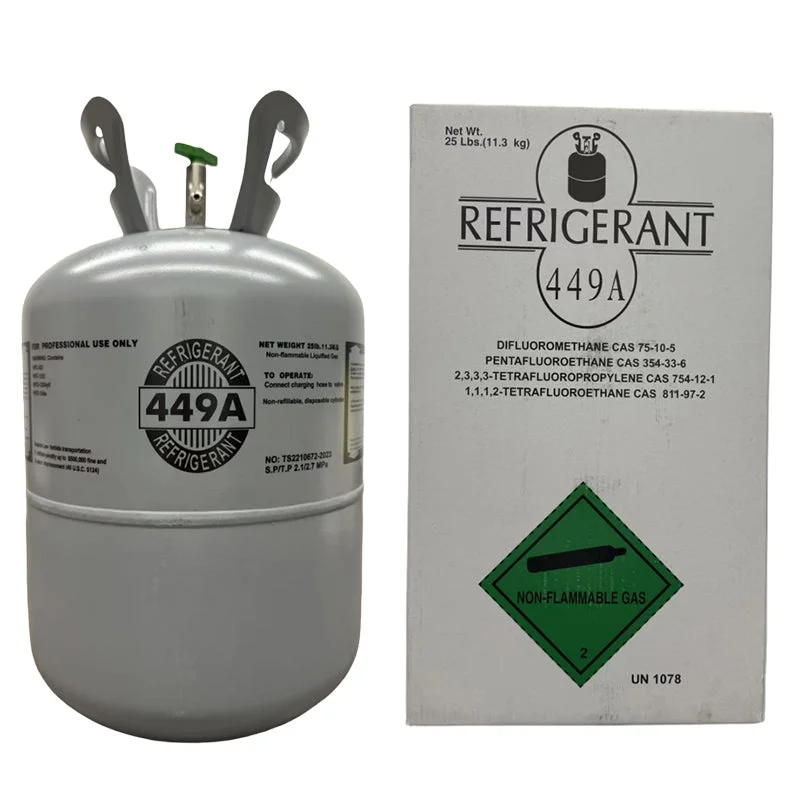
Refrigerant cylinders used to be easy to tell apart by color. Not anymore: most new cylinders are the same gray, so the label is now the only reliable way to know what is inside and how to handle it. Here is what each part of a typical refrigerant cylinder label and marking means.
1. The refrigerant name: the R-number
The most important line is the ASHRAE refrigerant number, such as R-410A, R-454B or R-134a, often next to a brand name such as Freon, Opteon or Solstice. The brand name alone is not enough: always confirm the R-number matches the refrigerant on the equipment nameplate before you connect the cylinder.
2. Cylinder color: gray, plus a red band for A2L
Under the industry’s AHRI Guideline N, refrigerant cylinders moved to a common gray color, because there were too many refrigerants for each to keep its own color. Two details still matter:
- Red band at the top: marks an A2L (lower flammability) refrigerant such as R-454B, R-32 or R-1234yf.
- Yellow top on a gray body: marks a refillable recovery cylinder, not new refrigerant.
Older stock may still use the traditional colors (for example, rose for R-410A or light blue for R-134a). Color is a hint; the label is the answer.
3. Safety class and hazard statements
The label shows the ASHRAE safety class, such as A1 (non-flammable) or A2L (lower flammability), and hazard warnings such as “Contains gas under pressure; may explode if heated”. A2L labels add a flammable gas warning. These tell you which tools and precautions apply, and that the cylinder must be kept away from heat and ignition sources.
4. Net weight
The net weight is the amount of refrigerant in the cylinder, for example 25 lb or 11.3 kg. It does not include the cylinder itself. Refillable and recovery cylinders are also stamped with a tare weight (TW, the empty cylinder) and a water capacity (WC), which you use to avoid overfilling a recovery cylinder.
5. The DOT specification
Look for a marking such as DOT-39. A DOT-39 cylinder is a disposable, non-refillable container: it must never be refilled, and it should be fully emptied and handled according to local rules once used. Refillable and recovery cylinders carry other DOT specifications, such as DOT-4BA or DOT-4BW, plus a test date stamped on the collar showing when they were last requalified.
6. Valve type and thread
Many A2L cylinders use a left-hand-thread valve, which is turned the opposite way and stops the cylinder from being connected to standard equipment by mistake. You may need an adapter for older hoses. Some cylinders have separate liquid and vapor ports; others must be turned upside down to deliver liquid. The label or the valve tells you which.
7. Liquid or vapor charging
Blends such as R-410A, R-454B, R-404A, R-448A and R-449A should be charged as liquid, so their composition stays correct. Single-component refrigerants such as R-134a and R-32 can be charged as vapor or liquid. Follow the equipment manufacturer’s instructions.
8. Lot number and manufacturer details
The label lists the manufacturer or distributor, often with a lot or batch number. Keep these if you ever need to report a quality problem.
Quick checklist before you connect
- The R-number matches the equipment nameplate.
- Red band? Use A2L-rated tools and A2L procedures.
- Gray with a yellow top? That is recovered refrigerant, not new.
- Correct liquid or vapor port, and the cylinder in the right position.
- No dents, rust or damaged valve. Never heat a cylinder with a flame.
For storage and transport, read refrigerant cylinder safety: storage, handling and transport. If you work with both R-410A and R-454B, see R-410A vs R-454B: what changes for technicians.
Shop refrigerant cylinders
- HVAC refrigerants: R-410A, R-454B, R-32, R-407C
- Commercial refrigeration: R-404A, R-448A, R-449A, R-407A
- Automotive A/C: R-134a, R-1234yf
This article is general information, not safety or legal advice. Always follow the cylinder label, the safety data sheet and the equipment manufacturer’s instructions. Questions? Contact our team.