Guides
R-22 Replacements: What to Use Now
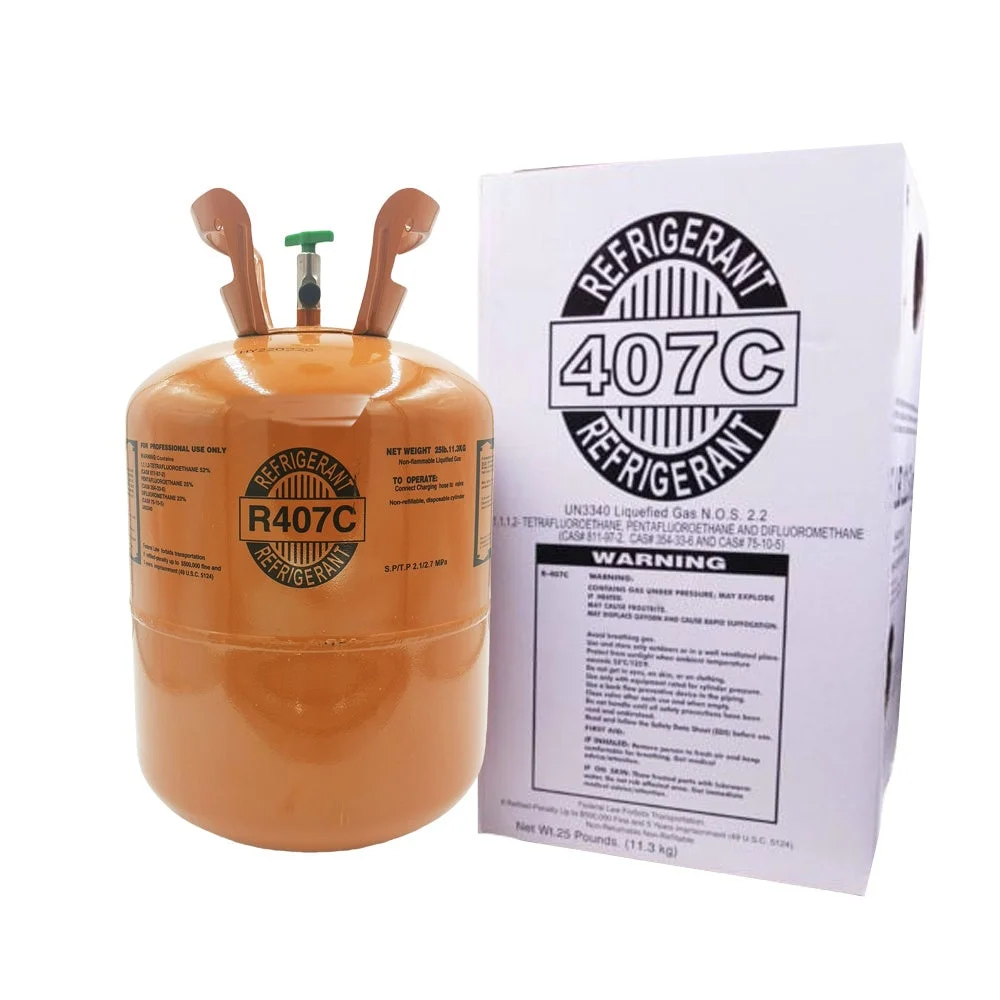
R-22 was the standard refrigerant in U.S. air conditioners for decades. Production and import of new R-22 ended on January 1, 2020, so the only supply left is reclaimed or previously produced R-22, and prices reflect that. If you still service R-22 systems, here are your options and the most common replacement refrigerants.
In short: there is no true drop-in replacement for R-22. You can keep servicing with R-22, retrofit to an HFC blend such as R-407C, or replace the system. The right choice depends on the equipment’s age, condition and leak history.
Option 1: keep the system on R-22
Servicing existing equipment with reclaimed or stockpiled R-22 is still allowed for certified technicians. It makes sense for a tight, well-maintained system that only needs an occasional repair. For a system with repeated leaks, buying R-22 again and again is usually the most expensive path.
Option 2: retrofit to a replacement refrigerant
A retrofit replaces the R-22 with an HFC blend. None of them perform exactly like R-22, and none of them mix well with the mineral oil R-22 systems use. Replacements fall into two groups:
| Group | Examples | Trade-off |
|---|---|---|
| Change the oil to POE | R-407C (A/C), R-407A (medium-temperature refrigeration), R-427A | More work up front, but reliable oil return and the best performance |
| Keep the existing oil | R-422B, R-422D, R-438A, R-421A and others | Quicker and cheaper, but oil return can be a concern in some systems |
R-407C is the closest match to R-22 in air conditioning, usually without expansion valve changes, and is a common choice for A/C retrofits. It requires converting the system to POE oil.
Retrofit checklist
Always follow the compressor and equipment manufacturer’s guidance. EPA’s retrofit guidance highlights these points:
- Record the operating data on R-22 as a baseline.
- Recover all of the R-22. Never vent it, and never top off R-22 with a different refrigerant.
- If the new refrigerant needs it, change the oil to POE, following the manufacturer’s flushing guidance.
- Replace seals that can leak with the new refrigerant and oil (for example Schrader cores and some valve seals), and replace the filter drier.
- Check the metering device, distributor and line sizes, since most replacements need a higher mass flow.
- Evacuate and charge the new blend as liquid, then adjust superheat and controls.
- Leak-check, and label the system with the new refrigerant and oil type.
Expect a small loss of capacity or efficiency compared with R-22 in many systems.
Option 3: replace the system
For older equipment, a new system often makes more sense than a retrofit: higher efficiency, a warranty, and no more R-22 costs. New residential systems use lower-GWP refrigerants such as R-454B or R-32. See R-32 vs R-454B and R-410A vs R-454B.
How to choose
- Leak-tight, good condition, rarely needs refrigerant: keep it on R-22.
- Good condition but leaks, or R-22 cost is a problem: fix the leak and retrofit, often to R-407C.
- Old, inefficient, or failing compressor: replace it.
Shop replacement refrigerants
- R-407C (Chemours Freon 407C), 25 lb cylinder
- R-407A (Chemours Freon 407A), 25 lb cylinder for medium-temperature refrigeration
- All HVAC refrigerants
All refrigerant sales are restricted to EPA Section 608 certified technicians. Not certified yet? Read how to get EPA 608 certification.
This article is general information, not engineering advice. Always follow the equipment and compressor manufacturer’s retrofit instructions. Questions? Contact our team.