Guides
R-410A and R-454B Pressure–Temperature Chart (P-T Basics)
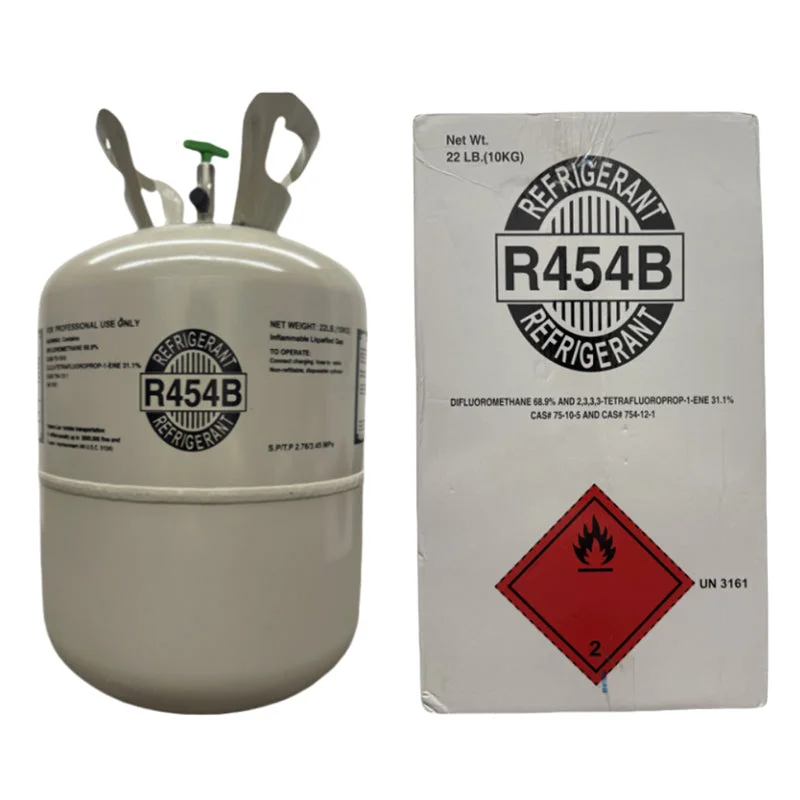
A pressure–temperature (P-T) chart tells you the temperature at which a refrigerant boils or condenses at a given pressure. It is how technicians turn gauge readings into the numbers that actually matter: superheat and subcooling. This guide gives P-T values for R-410A and its main replacement, R-454B, and shows how to use them.
In short: read the pressure, look up the saturation temperature, then compare it with the actual line temperature. For R-454B, use the dew column for superheat and the bubble column for subcooling. R-410A has almost no glide, so one column works for both.
R-410A and R-454B P-T chart
Gauge pressures in psig at sea level.
| Saturation temp | R-410A (psig) | R-454B bubble / liquid (psig) | R-454B dew / vapor (psig) |
|---|---|---|---|
| 35°F | 107 | 101.5 | 96.9 |
| 40°F | 118 | 112.0 | 107.0 |
| 45°F | 130 | 123.1 | 117.8 |
| 50°F | 142 | 135.0 | 129.3 |
| 90°F | 274 | 260.0 | 251.0 |
| 100°F | 317 | 300.8 | 290.9 |
| 105°F | 340 | 322.8 | 312.5 |
| 110°F | 365 | 345.9 | 335.2 |
| 115°F | 391 | 370.2 | 359.1 |
| 120°F | 418 | 395.7 | 384.3 |
| 125°F | 446 | 422.4 | 410.8 |
Values from Hudson Technologies’ R-410A chart and Chemours’ published Opteon XL41 (R-454B) data. Round numbers; always check the chart from your refrigerant or equipment manufacturer.
What saturation means
At saturation, liquid and vapor exist together. In the evaporator the refrigerant boils at the saturation temperature for the suction pressure; in the condenser it condenses at the saturation temperature for the head pressure. Once all the liquid has boiled, the vapor warms above saturation (superheat). Once all the vapor has condensed, the liquid cools below saturation (subcooling).
How to calculate superheat
- Read the suction pressure at the outdoor unit’s service valve.
- Find the saturation temperature on the chart (R-454B: dew column).
- Measure the suction line temperature near the same point with a clamp thermometer.
- Superheat = suction line temperature − saturation temperature.
Example (R-410A): 118 psig suction = 40°F saturation. Suction line reads 50°F. Superheat = 10°F.
Example (R-454B): 107 psig suction = 40°F dew. Suction line reads 50°F. Superheat = 10°F.
How to calculate subcooling
- Read the liquid (high-side) pressure at the service valve.
- Find the saturation temperature on the chart (R-454B: bubble column).
- Measure the liquid line temperature near the same point.
- Subcooling = saturation temperature − liquid line temperature.
Example (R-410A): 365 psig = 110°F saturation. Liquid line reads 100°F. Subcooling = 10°F.
Example (R-454B): 345.9 psig = 110°F bubble. Liquid line reads 100°F. Subcooling = 10°F.
Compare your result with the target from the equipment manufacturer. See how much refrigerant a 3-ton AC needs for when to use superheat or subcooling.
Why R-454B has two columns
R-454B is a zeotropic blend with a small temperature glide (about 2°F): at the same pressure it starts to boil (bubble point) at a slightly lower temperature than it finishes (dew point). R-410A is a near-azeotropic blend with negligible glide, so a single value is used. Using the wrong R-454B column throws your superheat or subcooling off by a degree or two.
R-410A vs R-454B pressures
At the same temperature, R-454B runs at somewhat lower pressures than R-410A, as the chart shows. The two are not interchangeable: R-454B is for equipment designed for it, and R-410A systems stay on R-410A. Read R-410A vs R-454B and R-32 vs R-454B for the full comparison.
Tips for accurate readings
- Let the system run 10 to 15 minutes before reading.
- Use calibrated digital gauges and clamp thermometers; insulate the clamp from outdoor air.
- Most digital gauges have built-in P-T tables. Make sure the right refrigerant is selected.
- Charts are for sea level. At high altitude gauge readings shift; use an altitude-corrected chart or absolute pressure.
Shop the refrigerants in this guide
This guide is general information for certified technicians. Always follow the equipment manufacturer’s charging instructions and P-T data.